How To Check Out A Peptide Purity Test: Hplc, Mass Spectrometry And Coa Analysis For Uk Researchers 2026
Peptide Screening: Hplc & Mass Specification Pureness Overview Pinnacle
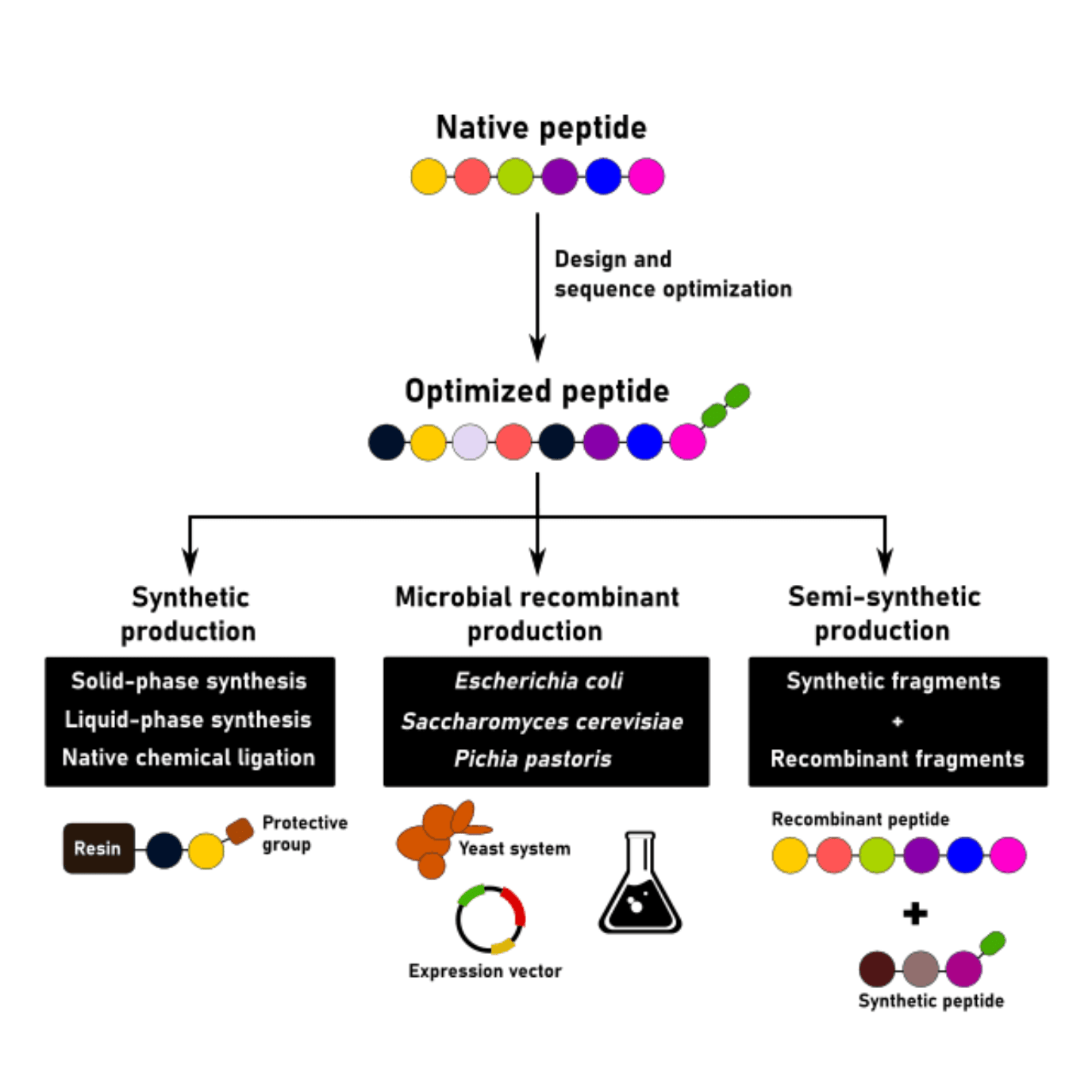
This level of comprehensive analysis makes sure the peptide's accuracy-- indicating the sequence and pureness are exactly as identified-- which is vital for experimental reproducibility. By confirming make-up via numerous validated techniques, laboratory recognition assurances that researchers receive a high-purity peptide that will certainly carry out as expected in the laboratory. Research laboratory validation of peptides is not only a scientific finest practice-- it's usually a regulative requirement when peptides are made use of in therapeutic growth or medical study.
Study Uses Peptide Chemical & Physical Analyses
- Amino acid analysis or other measurable methods can support absolute content.
- Nonetheless, the quality of peptide items straight impacts their efficiency and security, making precise top quality testing solutions important.
- Tasks might involve crude intermediates, cleansed peptides, saved lots, client-supplied materials, or products produced with our custom peptide synthesis platform.
- We assess peptide length, series composition, anticipated molecular weight, adjustment type, salt form, sample background, and desired downstream usage prior to specifying the analytical path.
- These pollutants can consist of points like shortened or truncated sequences, removal versions, oxidized residues, or other minor side-products from the synthesis process.
The liquified peptide example is injected right into a stream of fluid solvent (the mobile stage) that streams through a tube loaded with little particles (the stationary stage). Various particles "stick" to those fragments with various strengths, so they take a trip with the column at different rates. Subtle differences in resources pureness and framework can bring about variances in the activity of the end product.
Performance Cookies
The injector introduces a precise quantity of example right into the mobile-phase stream. Constant injection volume issues due to the fact that overwhelming the column can broaden peaks, distort pureness price quotes, or conceal nearby pollutants. A strong peptide screening workflow makes use of approaches that address corresponding questions. The table below is the practical way to think of usual examinations when reading a peptide COA.
Peptide Purity Levels Clarified-- What 98%, 99%, And "Study Quality" Truly Indicate
The gold standard for gauging peptide pureness is high-performance liquid chromatography, widely abbreviated as HPLC. If you see a purity portion on a peptide product, it almost certainly originated from an HPLC evaluation. This issues because peptides are constructed one amino acid at once with solid-phase peptide synthesis (SPPS). At each step, there's a small possibility that something goes wrong-- an amino acid doesn't attach, the incorrect adjustment happens, or a side reaction creates an unexpected byproduct. Over a chain of 10, 20, or 40 amino acids, those little per-step error prices compound.
They are labeled "for research study use just" to make clear that they are meant for in vitro experiments or animal Direct SARMs supplies Europe research studies, except any type of form of human use. As a matter of fact, a laboratory offering peptide screening need to provide information meeting the strict logical assumptions of companies like FDA and EMA [4] By utilizing a certified third-party laboratory, peptide suppliers or scientists guarantee an impartial and expertly recorded assessment of quality, which is specifically what assessors search for. Additionally, ongoing independent testing supports conformity in batch release and quality control. Research laboratory validation for peptides means making use of scientific examinations to confirm a peptide's identity, pureness, and composition. In method, this often includes third-party or independent screening by an external laboratory to verify that a peptide item in fact includes what the label declares [2] Irregular bit size circulation and morphology can affect bioavailability and security. BOC Sciences is outfitted with tools like DLS, TEM, SEM, etc, to fully examine nanoparticle dimension, distribution, and microstructure. For us, purity isn't simply a percentage-- it's a pledge of stability, consistency, and regard for the science being done.